3 hr
Mou Waho Island Water Taxi Experience
Cruise to a remote island sanctuary, hike to a secret alpine lake, and meet rare native birds
Reserve
Hand-picked by our editors — only the best 5 experiences from 12 reviewed.
Verified partners for every tour, free cancellation where available, and instant confirmation on every booking.
3 hr
Cruise to a remote island sanctuary, hike to a secret alpine lake, and meet rare native birds
Reserve
3 hr
Cruise to a predator-free island sanctuary and hike to a stunning alpine lake perched atop the island
Reserve
1 hr
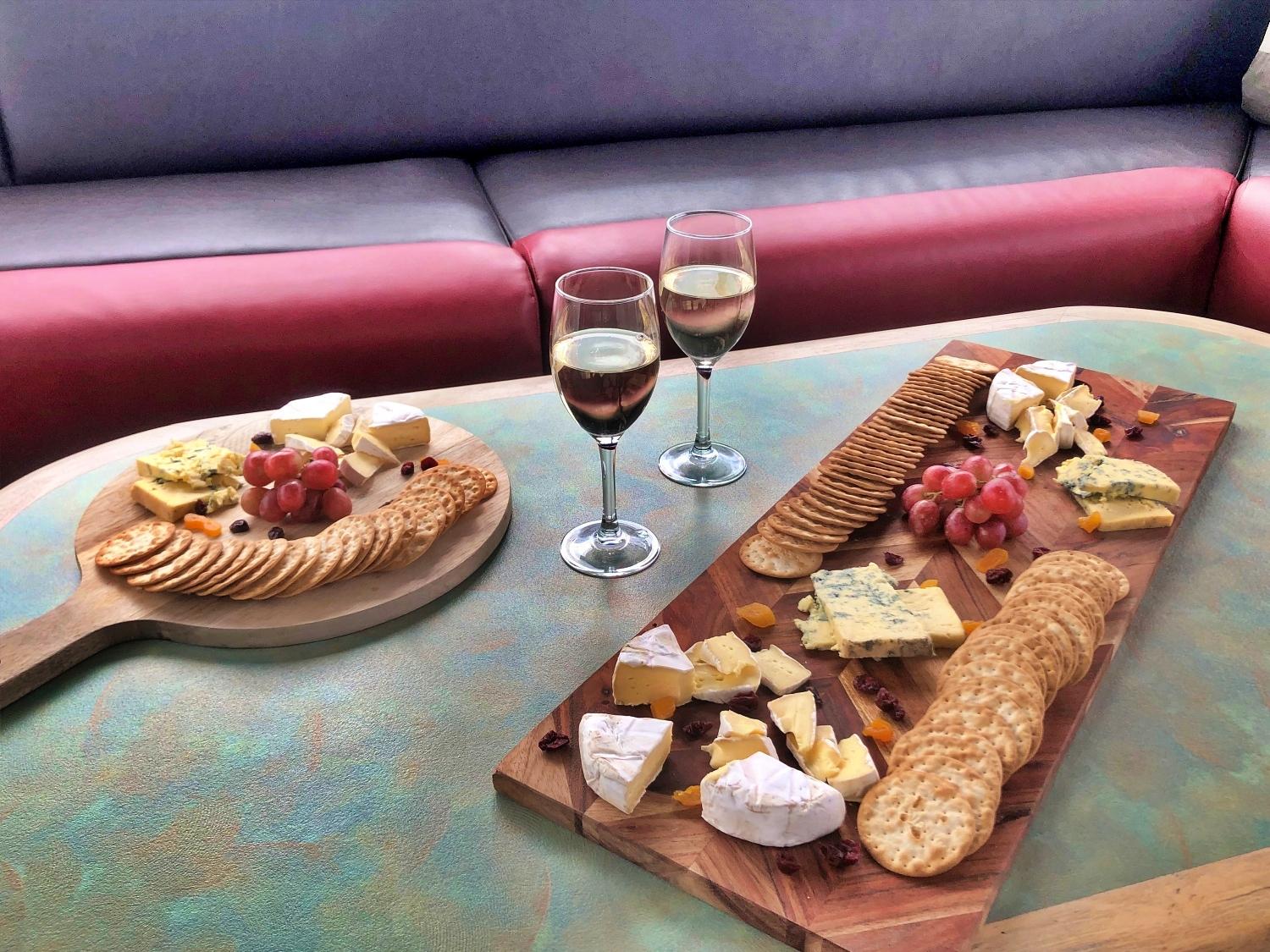
Glide across pristine waters aboard a spacious twin-hull vessel while sampling regional beverages
ReservePrices from verified partners. Availability updates in real time at checkout. Free cancellation policies apply where shown.
The landmarks, rooms, and views travelers on this tour remember — all visible on a single visit.
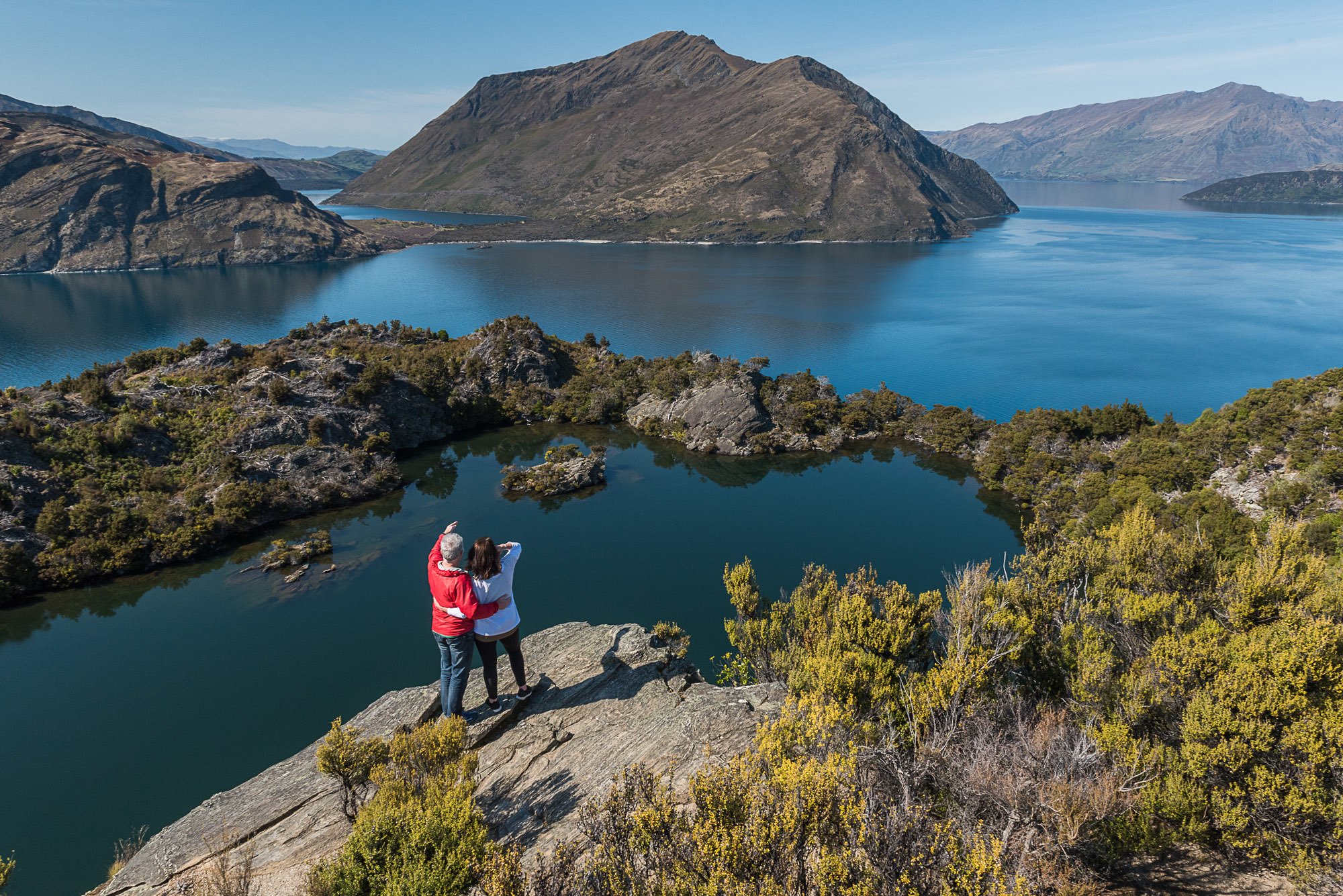
A unique lake located on top of the island, famously known as a lake on an island on a lake.
The highest point on the island providing a panoramic 360-degree view of Lake Wānaka and the Southern Alps.
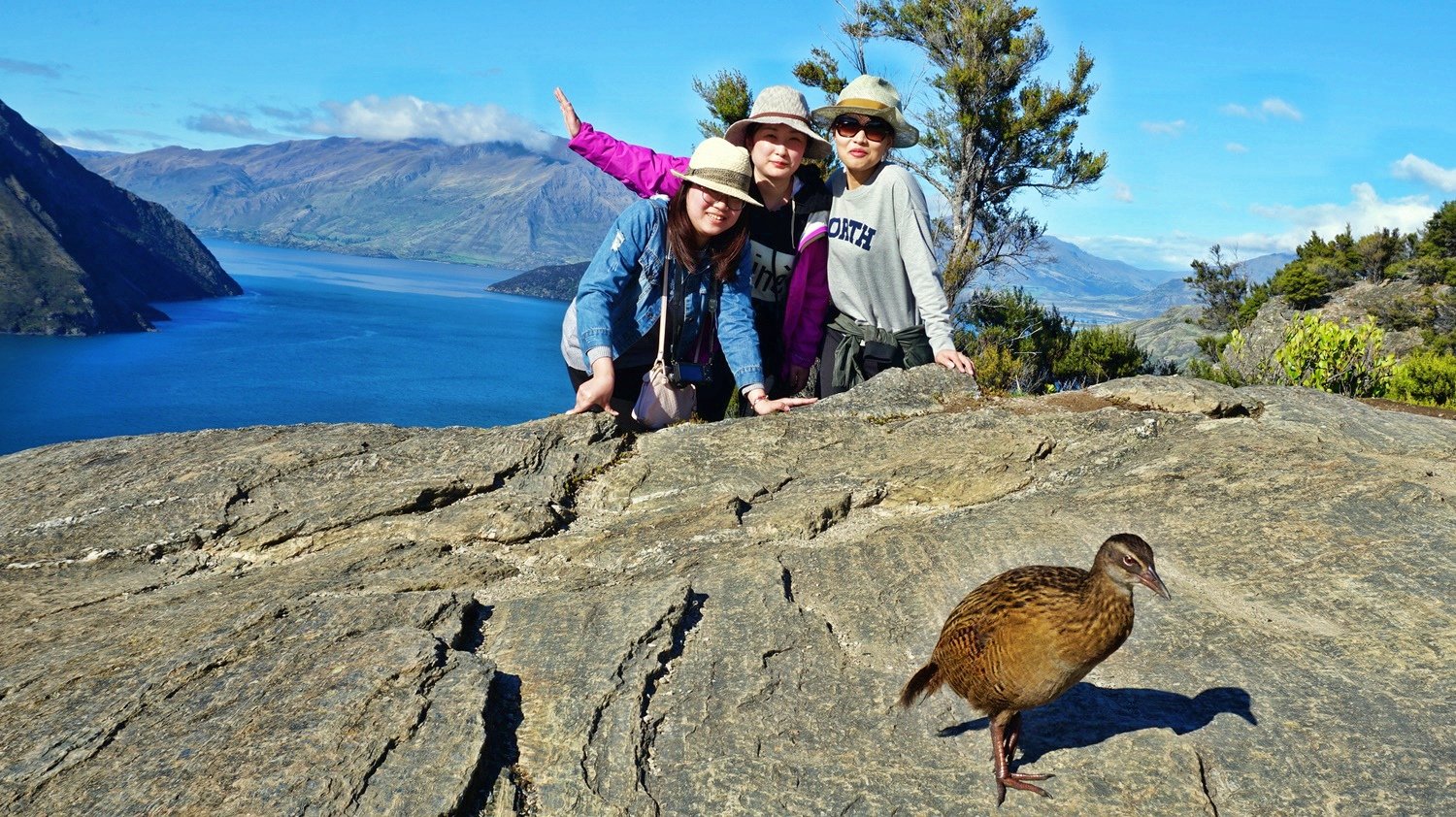
This island is a predator-free reserve where the rare flightless Buff Weka can often be seen roaming freely.
Explore the regenerating forest trails which offer a glimpse into the native landscape before introduced predators arrived.
A scenic spot near the island jetty where visitors can relax, swim, and enjoy a meal in a tranquil environment.
The water taxi & mou waho island tour provides an active, immersive trek to a secluded summit lake, whereas the general scenic cruise offers a relaxed perspective from the water. They complement each other; most visitors who do both call the island hike the more rewarding choice for nature enthusiasts.
| Feature | Top pick Mou Waho Island Tour | Scenic Cruise |
|---|---|---|
Landing experience |
Island shore access | Remaining on boat |
In-depth nature access |
Full hiking exploration | Observation only |
Difficulty level |
Moderate hike required | None |
Price |
Variable tour fees | Variable cruise rates |
Duration |
3–4 hours total | 1–2 hours |
Wildlife focus |
High (Buffies/Weka) | Moderate (Birds/Lake life) |
| See tickets → |
Verdict: Choose the water taxi & mou waho island tour tickets if you prefer active discovery, or opt for the scenic cruise for a leisurely sightseeing experience.
Choose your ticket, select your date, and reserve in under two minutes. Secure checkout handled by our verified partner.
Instant confirmation by email, with a mobile voucher you can save offline. No printing, no queuing at a collection desk.
Arrive at the entrance, show your voucher on your phone, and walk in. Most tickets include priority or skip-the-line access.
Practical details for your visit straight from our verified partners — hours, access, rules, and how to get there.
Sturdy footwear is recommended for the hiking trails on the island. Pack warm layers and a windproof jacket as lake conditions can shift rapidly.
There are no lockers or storage facilities on Mou Waho Island. Visitors must carry all personal belongings, including food and water, for the duration of their water taxi & mou waho island tour visit.
The island provides unique opportunities for landscape photography, particularly the Arethusa Pool. Use early morning light to capture clear reflections of the surrounding peaks.
The walking tracks on the island are uneven and steep in sections. Those with limited mobility can enjoy the boat cruise to the island but may find the hike to the Arethusa Pool challenging.
The water taxi & mou waho island tour is suitable for families with older children who are comfortable with uneven hiking trails. Check with operators regarding child age requirements for specific boat configurations.
There are no food vendors or shops on the island. Guests should pack all required water and snacks before boarding the water taxi & mou waho island tour.
Best time to go, insider tips, nearby landmarks, and the cancellation fine print — flip through to skim what matters to you.
Flexible, no hidden fees.
Full refunds are typically available with 24 hours' notice of cancellation. Cancellations made within 24 hours of the scheduled water taxi & mou waho island tour may incur the full charge.
Mou Waho rises 140 metres from the floor of Lake Wānaka, a 120-hectare fragment of tussock and beech forest that predates human settlement by millennia. The island sits four kilometres offshore, visible from Wānaka township as a dark green silhouette against the Southern Alps. Glacial retreat 10,000 years ago shaped its ridgelines and left Arethusa Pool—a small tarn perched at 660 metres elevation, itself containing a tiny forested islet. The phenomenon of an island within a lake on an island within a lake draws geologists and photographers in equal measure. Since 1973, the Department of Conservation has maintained Mou Waho as a predator-free sanctuary. Stoat traps and bait stations ring the shoreline; no rats, possums, or mustelids survive here. Native buff weka, extinct on the mainland since the 1920s, were reintroduced in 1974 and now number over 200. The island also shelters grey teal, scaup, and South Island robin. In spring, tussock slopes bloom with Mount Cook lily and Celmisia daisies. The restoration work mirrors efforts on other Otago offshore islands but remains unusual for its accessibility—most predator-free reserves require helicopter transfers or multi-hour hikes. Water taxi services depart Wānaka Marina year-round, crossing open water in 25 to 30 minutes. The lake surface reflects weather patterns; morning departures benefit from glassy conditions before afternoon nor'westers build chop. Upon landing, a gravel track ascends through kanuka scrub and silver beech, gaining 140 metres over one kilometre to the Arethusa Pool viewpoint. The round-trip walk takes 45 minutes. Interpretive panels mark geological features and weka nesting sites. The island lacks facilities—no shelter, no toilets, no potable water—so visitors carry supplies and depart on scheduled return crossings. Mou Waho's isolation creates microclimates distinct from the lakeshore. Rainfall averages 200 millimetres higher than Wānaka township; snow dusts the summit in winter. The island's beech forest harbours fungi species rare on the grazed mainland. Conservation officers conduct quarterly weka counts and maintain the trap network through volunteer programmes. The site remains one of few places in Central Otago where pre-human ecology persists in functional form, offering a tangible measure of what the region's valleys once held.
"The phenomenon of an island within a lake on an island within a lake draws geologists and photographers in equal measure."
A step-by-step walkthrough of the visit — what you'll see, how long each stage takes, and the details that matter.
You board the water taxi at Wānaka Marina, where alpine peaks frame the harbour. The vessel cuts southeast across open water, passing Roy's Peninsula and private bays. Spray lifts from the bow as the engine settles into cruising rhythm. Twenty-five minutes out, Mou Waho's forested slopes fill the windscreen. The skipper beaches on a gravel shore; you step onto stones smoothed by wave action. A Department of Conservation sign marks the trailhead. You climb through kanuka scrub, the path switching back through silver beech. Weka calls echo from the understory. At 500 metres, the trail levels onto a tussock saddle. Views open south to Mount Aspiring's distant snow. You continue upward, passing interpretive panels on glacial history and predator control. The summit clearing appears suddenly. Arethusa Pool stretches below—a 30-metre tarn reflecting sky and beech. A miniature islet rises from its centre, no larger than a tennis court. You pause at the viewing platform, counting ripples from diving scaup. The return descent takes 20 minutes. Back at the beach, you scan for weka foraging near driftwood. The water taxi departs on schedule, retracing the route to Wānaka as afternoon light gilds the Clutha Basin.
The island is accessible daily from 08:00–19:00, with operators typically running departures within this window.
Entry to Mou Waho Island is 0 NZD as it is a conservation area managed by the Department of Conservation.
The best arrival window is 08:30–14:00, as early morning departures offer calm lake conditions and better light for photography.
Yes, children are welcome, though the steep terrain may be difficult for very young children.
Yes, you must bring all your own food and water as there are no vendors on the island.
The walking tracks are uneven and steep, making them unsuitable for those with mobility issues.
Operators often alter itineraries due to wind or weather; confirm your booking status directly with the service provider.
Yes, bookings for the water taxi & mou waho island tour are essential, especially during peak seasons.
There are basic composting toilets available for visitor use on the island.